
































 Commercial
Solar for business
Power Your Business. Take Control of Your Energy.

Solar panels. Battery storage. Reliable power. Engineered for Kenyan homes and businesses.

Power your home or business with confidence. Harness solar energy, store it safely, and keep essential systems running. Seamlessly integrate solar, battery backup, EV charging, and smart energy management with reliable solutions built to last.

Advanced LiFePO₄ batteries for solar, backup and energy storage systems (ESS), with a range of C-ratings to suit different power demands. Explore low-voltage, high-voltage and dual-voltage options, with scalable multi-cluster configurations for growing energy needs.

Harness the sun with high-efficiency solar panels for homes, businesses and farms. Explore rooftop and ground-mounted solutions, bifacial modules that capture sunlight from both sides, and foldable portable panels from EcoFlow, Anker SOLIX and Jackery for convenient solar charging of compatible power stations during camping, travel and off-grid adventures.

Stay connected to your energy system with smart monitoring, intuitive displays, real-time telemetry and remote access. Track solar generation, battery status and energy consumption, review historical performance, receive alerts and manage compatible systems using solutions such as Victron GX devices, Victron VRM and TBB NOVA for smarter energy use and proactive maintenance.
Tech partners
Inverters, batteries, solar panels, cabling and protection
Trusted across East Africa
Hotels, universities, research institutes, NGOs and businesses
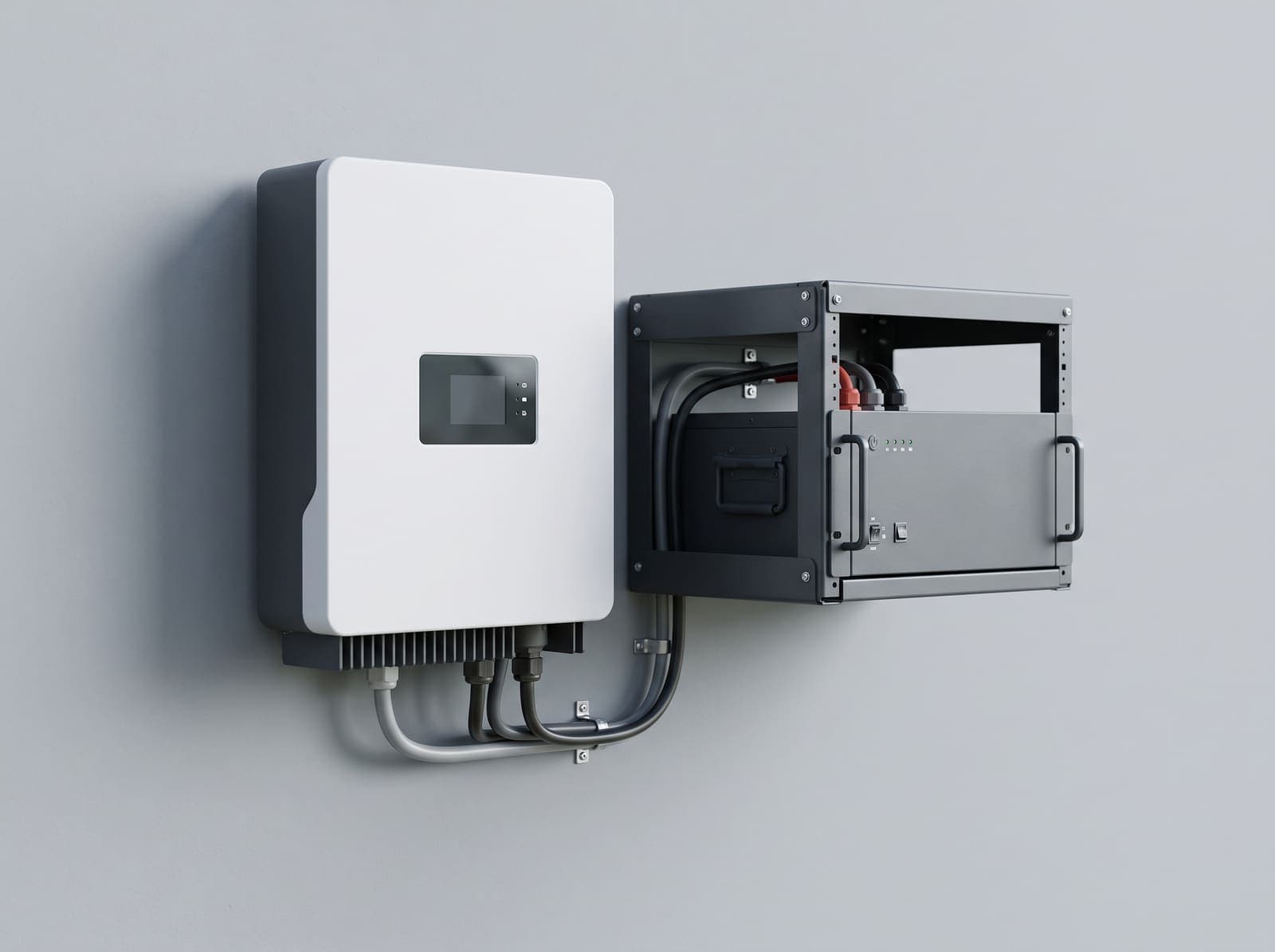
Illustration of how the parts of a system work together: solar array, battery storage, hybrid inverter and grid supply.
Modelled from public data: in October, Nairobi averages about 4.5 kWh of solar per kWp each day (Global Solar Atlas), with sunrise near 06:30 and sunset near 18:35. Grid power costs about KES 28 per kWh. Real results depend on roof, weather and habits.
broken clouds · 28°C
Nairobi now. About 92% cloud cover expected in daylight. Forecast from OpenWeather, refreshed every 3 hours.
13:00 · solar 1.0 kW · home 0.3 kW
From real data
Assumed
Cloud cover is today's OpenWeather forecast for Nairobi. Grid cost is each hour's grid kWh at about KES 28 per kWh.
| Hour | Cloud | Solar kW | Home kW | Grid kW | Grid KES | Battery |
|---|---|---|---|---|---|---|
| 00:00 | 100% | 0.00 | 0.21 | 0.21 | 6 | 10% |
| 01:00 | 100% | 0.00 | 0.21 | 0.21 | 6 | 10% |
| 02:00 | 100% | 0.00 | 0.21 | 0.21 | 6 | 10% |
| 03:00 | 100% | 0.00 | 0.21 | 0.21 | 6 | 10% |
| 04:00 | 100% | 0.00 | 0.21 | 0.21 | 6 | 10% |
| 05:00 | 89% | 0.00 | 0.30 | 0.30 | 8 | 10% |
| 06:00 | 89% | 0.00 | 0.85 | 0.85 | 24 | 10% |
| 07:00 | 89% | 0.10 | 0.77 | 0.67 | 19 | 10% |
| 08:00 | 93% | 0.30 | 0.43 | 0.13 | 4 | 10% |
| 09:00 | 93% | 0.60 | 0.30 | 0.00 | 0 | 16% |
| 10:00 | 93% | 0.90 | 0.30 | 0.00 | 0 | 27% |
| 11:00 | 95% | 1.00 | 0.30 | 0.00 | 0 | 41% |
| 12:00 | 95% | 1.08 | 0.34 | 0.00 | 0 | 55% |
| 13:00 | 95% | 1.02 | 0.30 | 0.00 | 0 | 68% |
| 14:00 | 96% | 0.78 | 0.30 | 0.00 | 0 | 77% |
| 15:00 | 96% | 0.53 | 0.30 | 0.00 | 0 | 82% |
| 16:00 | 83% | 0.47 | 0.34 | 0.00 | 0 | 84% |
| 17:00 | 83% | 0.14 | 0.47 | 0.00 | 0 | 77% |
| 18:00 | 83% | 0.00 | 0.77 | 0.00 | 0 | 61% |
| 19:00 | 83% | 0.00 | 0.85 | 0.00 | 0 | 43% |
| 20:00 | 92% | 0.00 | 0.77 | 0.00 | 0 | 27% |
| 21:00 | 92% | 0.00 | 0.60 | 0.00 | 0 | 14% |
| 22:00 | 92% | 0.00 | 0.38 | 0.19 | 5 | 10% |
| 23:00 | 100% | 0.00 | 0.26 | 0.26 | 7 | 10% |
Solar and backup power set-ups for homes, businesses and farms.
CommercialPower Your Business. Take Control of Your Energy.
 Residential
Keep the lights on, the fridge running and your family connected, even when the grid goes down.
 Agritech
Reliable Power Beyond the Grid’s Reach. Energy for Your Farm to Thrive.
 Wildlife
Powering Conservation. Protecting Life in the Wild.
 Manufacturing
Powering Production. Keeping Industry Moving and the Nation Thriving.
 Outdoor & Smart Living
Connected Living. Power for Every Adventure.
 Healthcare & Research
Reliable Energy. Supporting Care and Discovery.
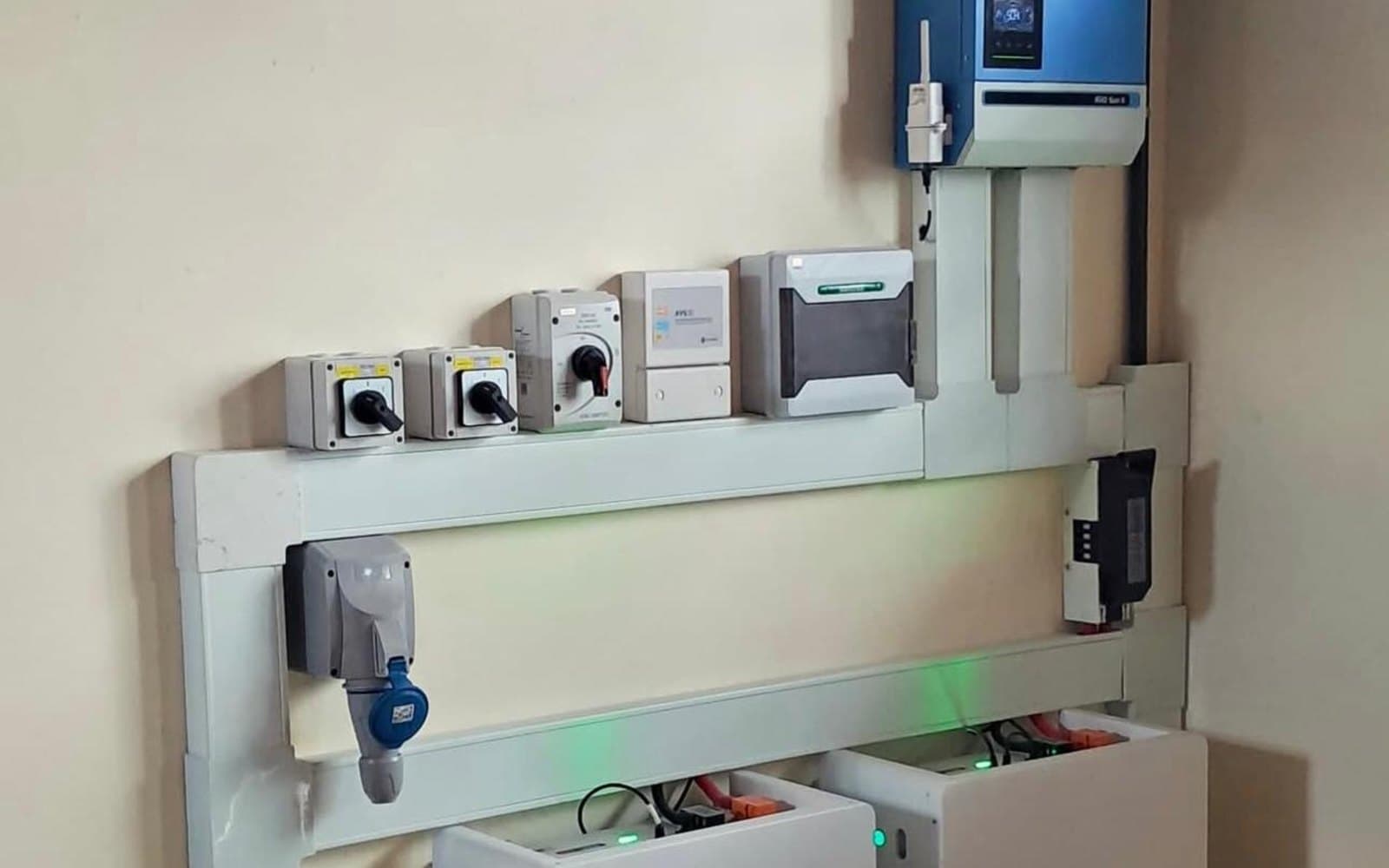 Telecommunications
Reliable Power. Uninterrupted Connectivity.
 Media & Broadcasting
Powering Every Story. Keeping You on Air.
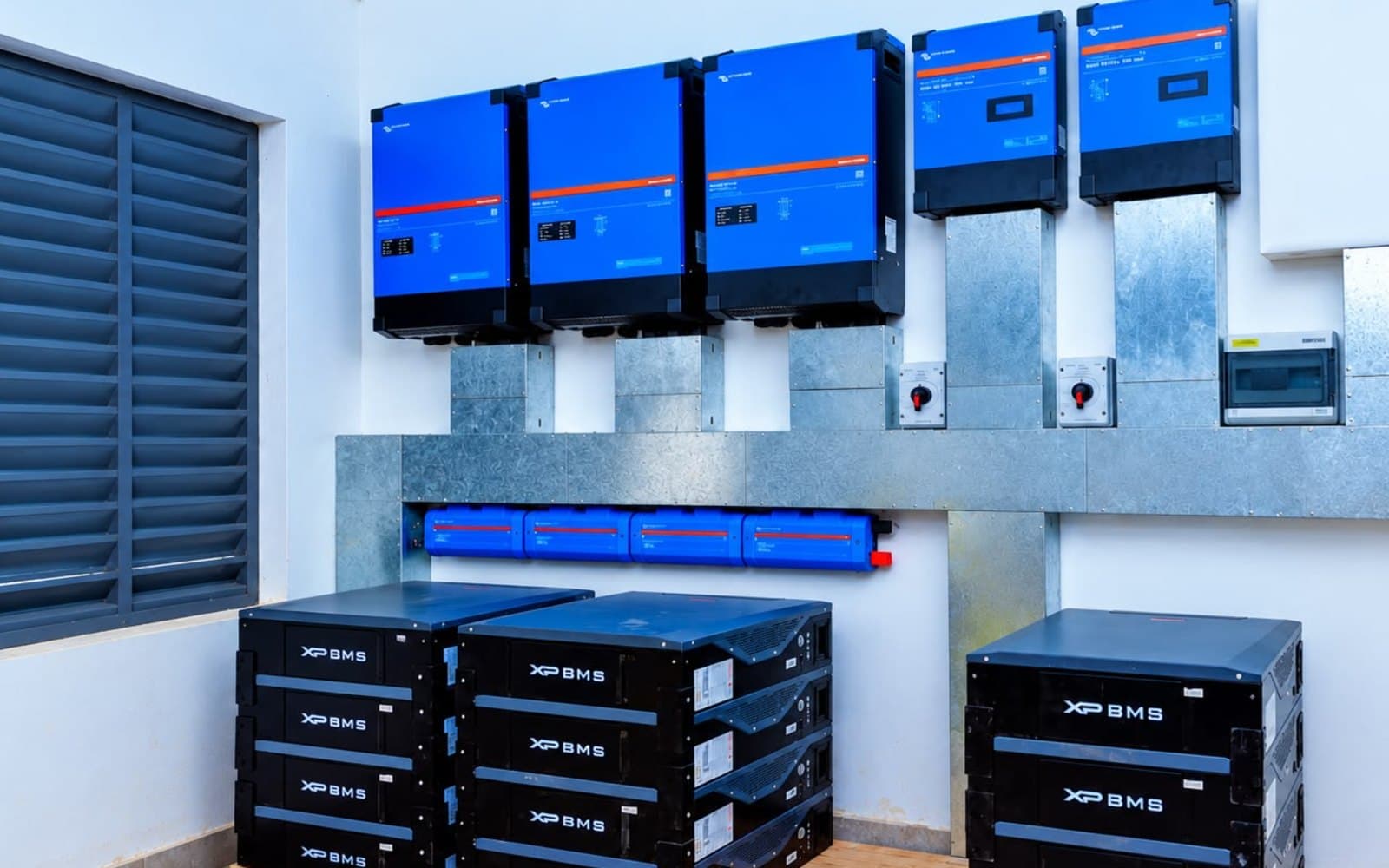
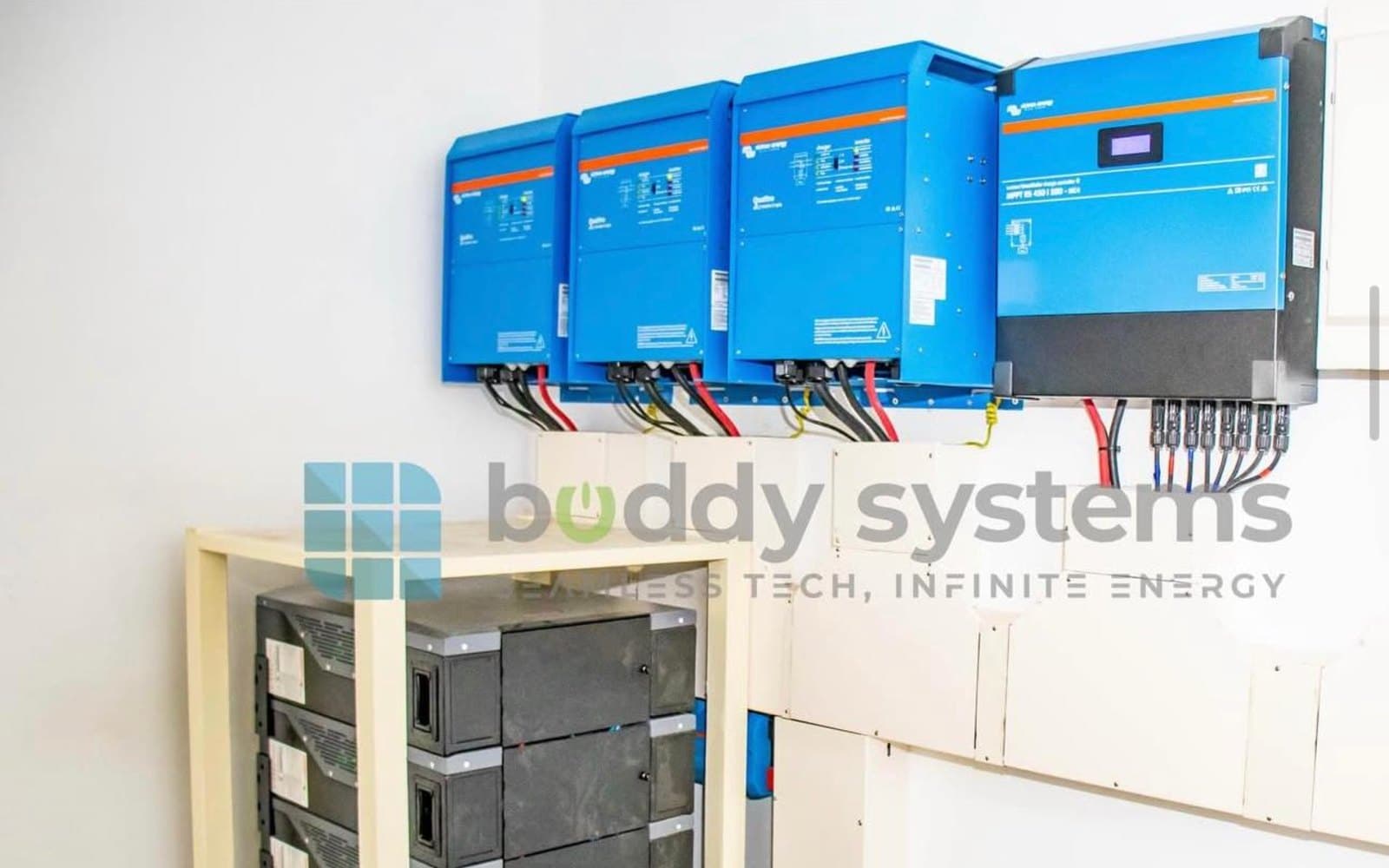
At Hadada in Naivasha, Buddy Systems installed a containerised Victron system comprising three 15 kVA Quattro inverter/chargers, two SmartSolar MPPT RS 450/200 charge controllers and 56 solar panels rated at 620 W each, giving a total solar array capacity of 34.72 kWp.
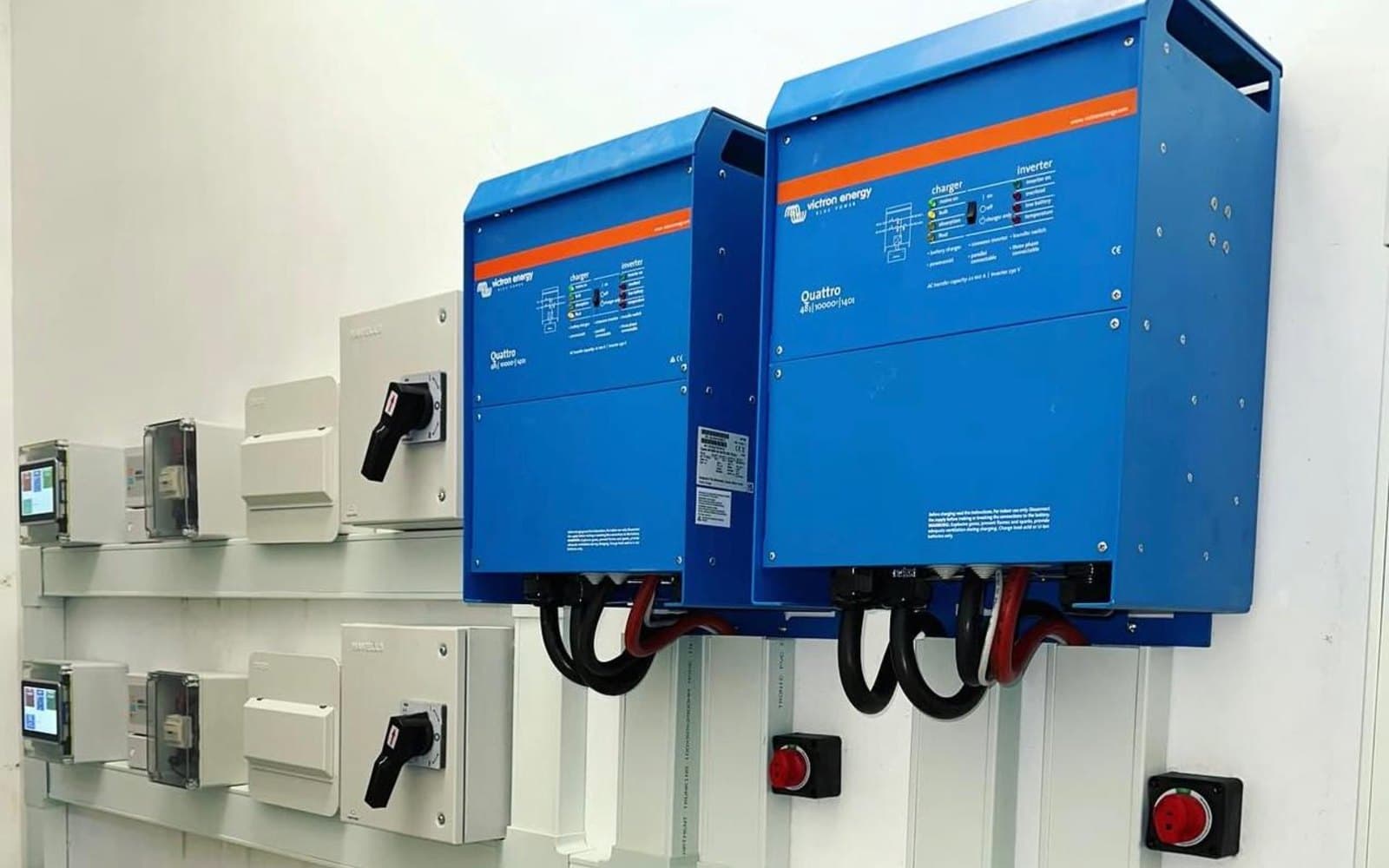
The challenge At BBC East Africa’s Karen facility, a 120 kVA generator was tripping at approximately 21 kW when the Victron inverter/chargers drew power to charge the batteries. The repeated trips interrupted charging and affected coordination between the generator and battery backup system.
Small Solar Systems for Wildlife Rangers: Practical Lessons from the Field At a remote ranger outpost, a few lights, charged radios and working phones can make a significant difference. The energy requirement may be modest, but the distance from suppliers and technical support makes careful preparation essential.
Talk to our team about designing, sizing or ordering your solar and backup power equipment.
Chat with our team
Send us your details and we will reply


